
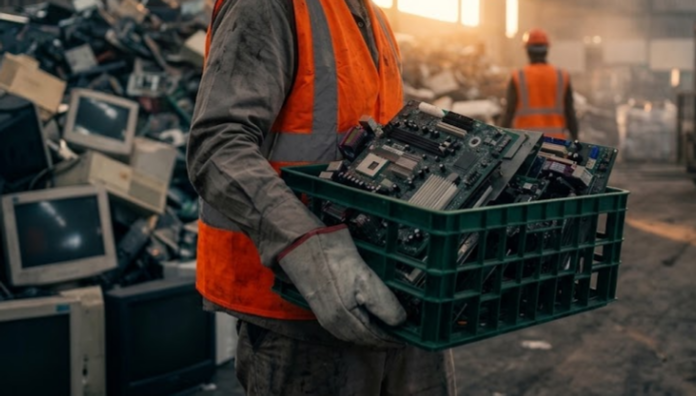
International E-Waste Day 2026 is observed on October 14, highlighting the importance of responsible electronic waste management, recycling, and resource recovery as the volume of discarded electronic devices continues to grow worldwide.
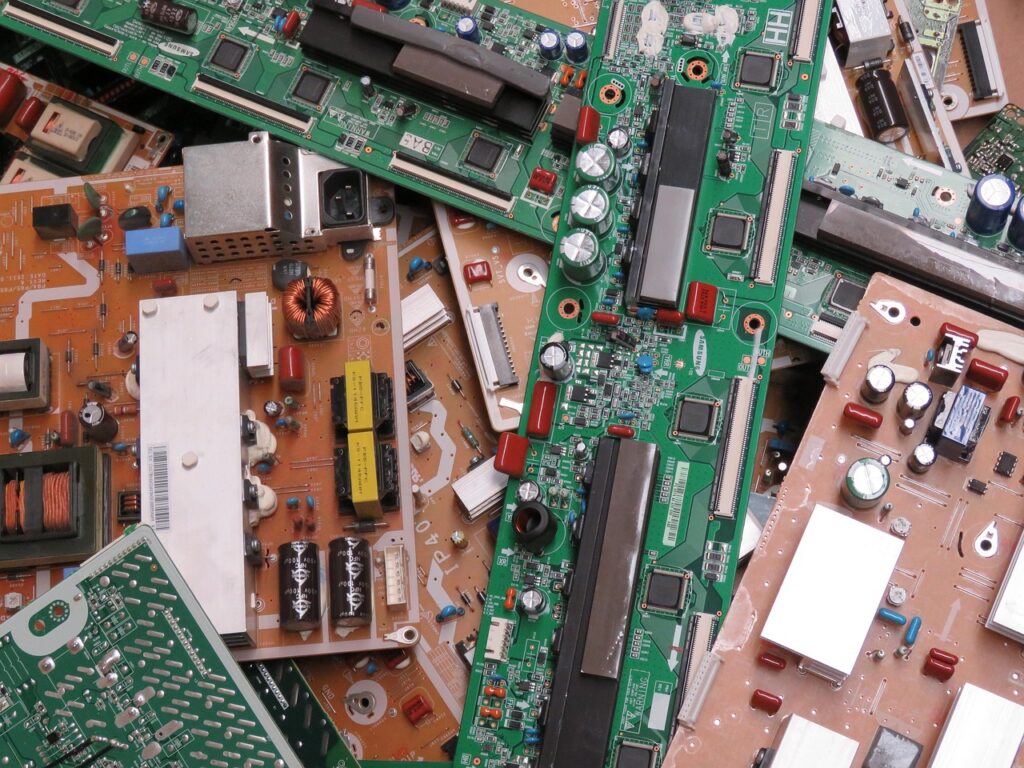
As electronic devices become increasingly essential to everyday life and industrial and commercial operations, responsible e-waste management plays an important role in conserving natural resources and supporting environmental sustainability.
What Is International E-Waste Day 2026?
International E-Waste Day was launched in 2018 by the WEEE Forum and is observed annually on October 14. Its purpose is to raise awareness of proper electronic waste management and encourage individuals and organizations to collect, reuse, and recycle unwanted electrical and electronic equipment through appropriate channels.
In 2026, International E-Waste Day focuses on “Fast Tech”, a category of small, low-cost electronic devices and accessories that are frequently replaced, including earphones, chargers, cables, USB adapters, and small electronic fans.
Despite their small size, the widespread use and improper disposal of these products create additional challenges for collection systems and the recovery of valuable materials.
Electronic Waste in Numbers: A Growing Global Challenge
According to The Global E-waste Monitor 2024, published by the International Telecommunication Union (ITU) and the United Nations Institute for Training and Research (UNITAR), the amount of electronic waste generated worldwide continues to increase. In 2022, the world generated approximately 62 million tonnes of electronic waste, while only 22.3% was documented as formally collected and recycled in an environmentally sound manner. The report projects that global e-waste generation will reach 82 million tonnes annually by 2030.
These figures highlight the widening gap between the growing consumption of electronic equipment and the capacity of collection and recycling systems, along with the environmental and economic challenges associated with this trend.
Why Does Electronic Waste Require Specialized Management?
Electronic waste includes a wide range of products, such as mobile phones, computers, monitors, household appliances, and electrical and electronic equipment used by businesses and institutions.
These products contain recoverable materials, including copper, aluminum, gold, and other metals. They may also contain components that require special handling and treatment procedures.
According to the World Health Organization (WHO), unsafe e-waste processing practices, including open burning and improper dismantling, may release hazardous substances such as lead and mercury, posing risks to human health and the environment. Proper e-waste management therefore requires organized collection, sorting, dismantling, and treatment processes that take material characteristics and environmental safety requirements into account.
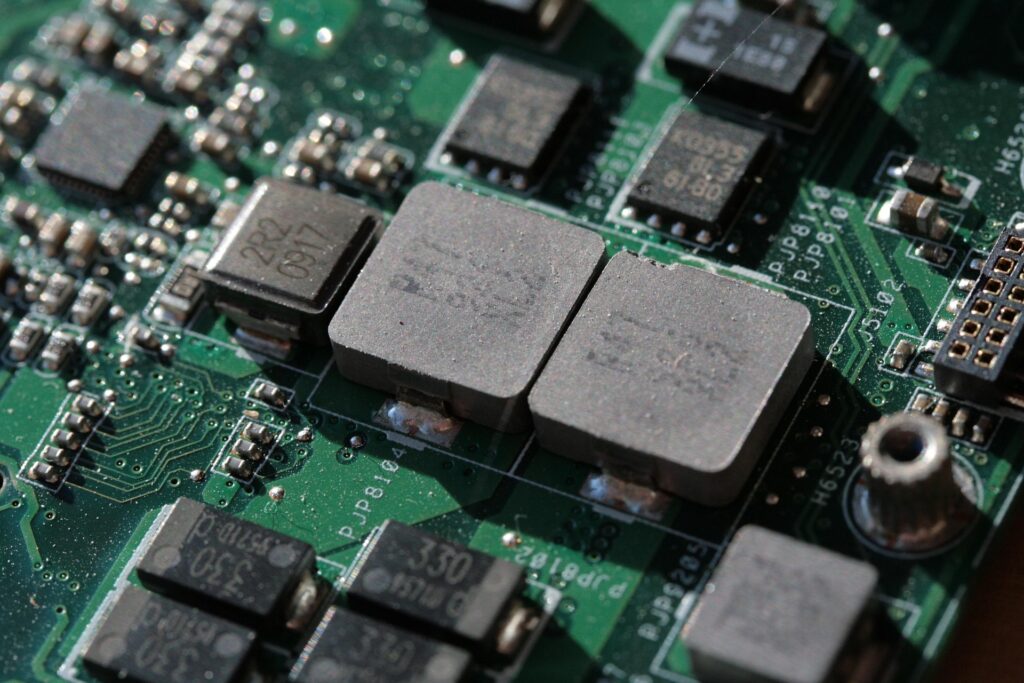
E-Recyclage des déchets: An Opportunity for Valorisation des ressources
The importance of electronic waste recycling extends beyond reducing the amount of waste requiring disposal. It also creates opportunities to recover valuable raw materials and return them to manufacturing processes.
Developing effective e-waste recycling systems helps achieve several important objectives:
Recover valuable metals and reusable raw materials.
Reduce dependence on the extraction of new natural resources.
Minimize environmental and health risks associated with improper e-waste disposal.
Improve material and resource efficiency across industrial operations.
Support circular economy principles and extend the economic value of resources.
Effective resource recovery begins with proper waste collection, followed by directing materials to suitable treatment and recycling processes.
Electronic Waste Management and the Role of Technology
As electronic waste volumes continue to grow, improving waste management systems and increasing the efficiency of collection, sorting, and treatment operations become increasingly important. Technology supports these processes through suitable equipment, more efficient material handling, accurate material separation, and improved resource recovery operations. Digital waste tracking systems also improve the documentation of waste movements from collection points to authorized treatment facilities, supporting transparency and regulatory compliance. Selecting the right waste management solutions and equipment requires careful assessment of waste characteristics, material composition, expected processing volumes, and applicable operational and environmental requirements.
Innovativa Smart Solutions: Advanced Waste Management Solutions
At Innovativa Smart Solutions, we provide advanced waste management and recycling solutions and equipment to help organizations and industry operators improve operational efficiency and maximize resource utilization.
Through our partnerships with international companies specializing in waste management technologies and equipment, we aim to deliver practical solutions that support the development of efficient waste management systems and contribute to the transition towards a circular economy. International E-Waste Day reminds us of the importance of investing in effective waste management technologies and developing more efficient systems for handling different waste streams.
- WEEE Forum, International E-Waste Day and the 2026 Fast Tech campaign.
https://weee-forum.org/iewd-about/
https://weee-forum.org/ws_news/international-e-waste-day-2026-to-focus-on-fast-tech/ - International Telecommunication Union (ITU), The Global E-waste Monitor 2024.
https://www.itu.int/en/ITU-D/Environment/Pages/Publications/The-Global-E-waste-Monitor-2024.aspx - World Health Organization (WHO), Electronic Waste (E-Waste).
https://www.who.int/news-room/fact-sheets/detail/electronic-waste-%28e-waste%29